1889
The Railroad Pier
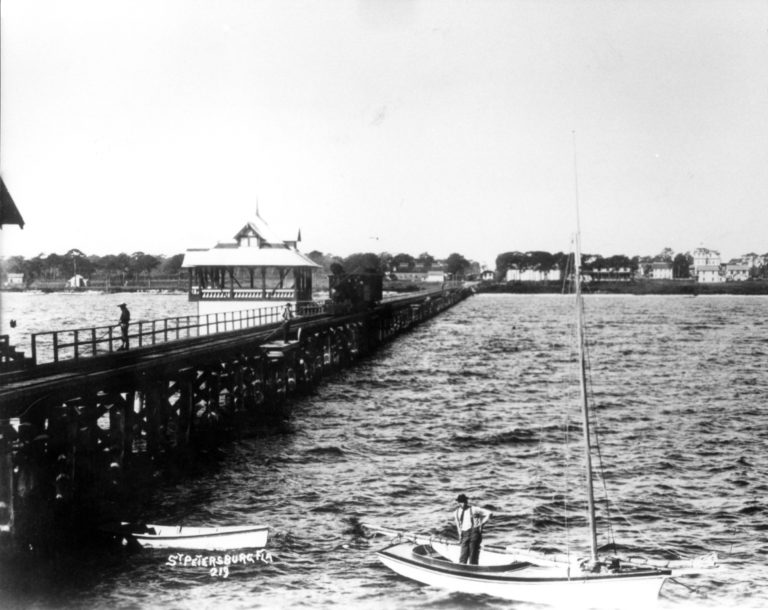
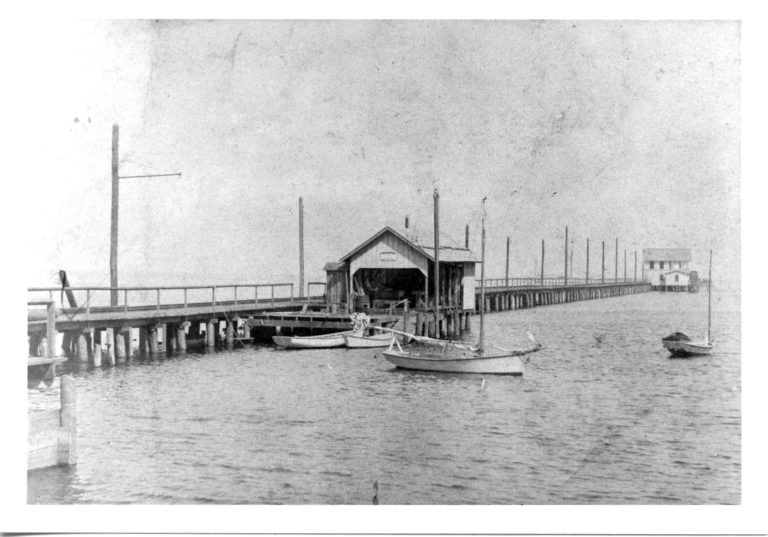
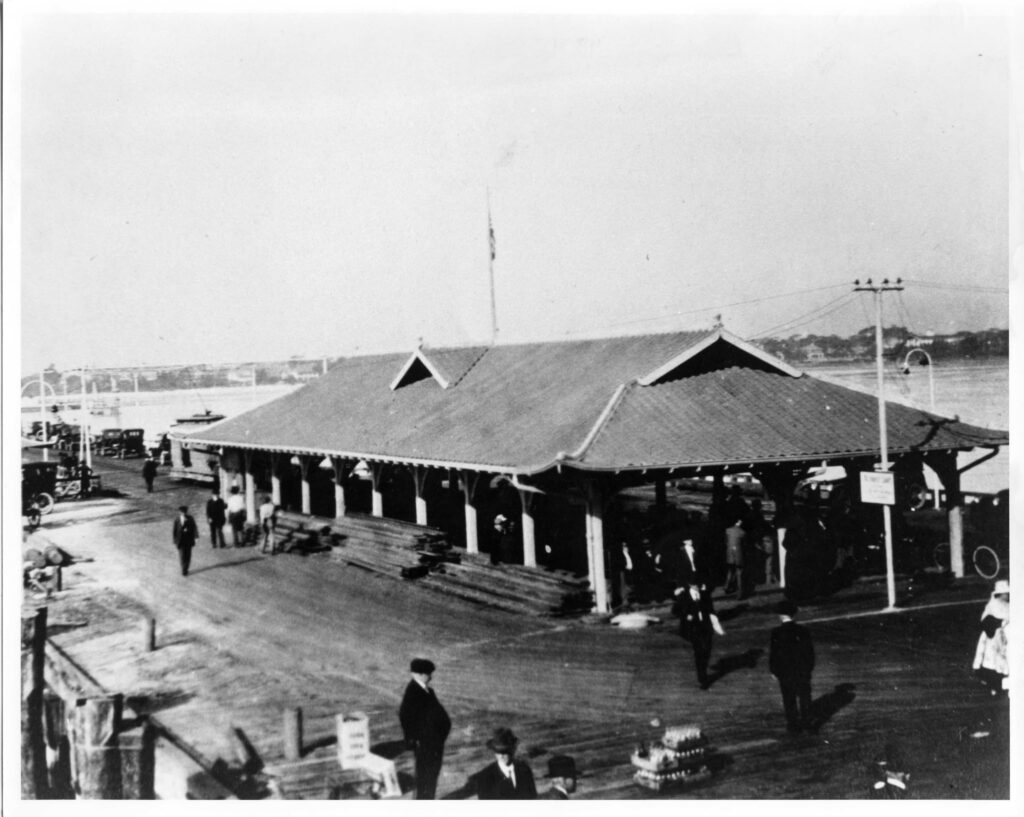
The city’s first pier dates back to 1889, built by railroad entrepreneur Peter Demens. The Orange Belt Railway built the Railroad Pier, which extended a half-mile into Tampa Bay from the foot of 1st Ave S, the terminus of the railroad. Lined with warehouses and loading docks, the 3,000-foot-long structure soon became popular with anglers and swimmers, prompting the construction of a bathing pavilion and toboggan slide.
1896
The Brantley Pier
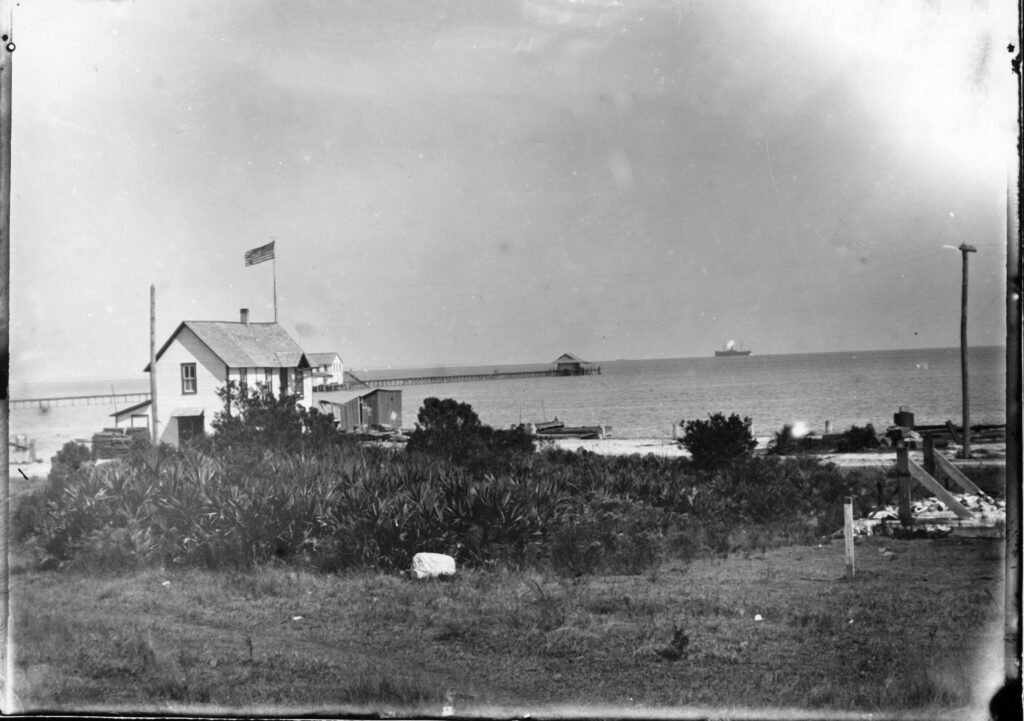
Constructed by boatbuilder D.F.S. Brantley, the 1,500-foot Brantley Pier featured a horse-drawn flatcar that carried passengers and goods to ships moored offshore. Its popular 34-room bathing pavilion made it a favorite gathering place and helped establish the tradition of piers extending from 2nd Ave NE. Although it never surpassed the Railroad Pier in commercial terms, it played an important role in the city’s waterfront history before being replaced in 1906.
1900
The Fountain of Youth Pier
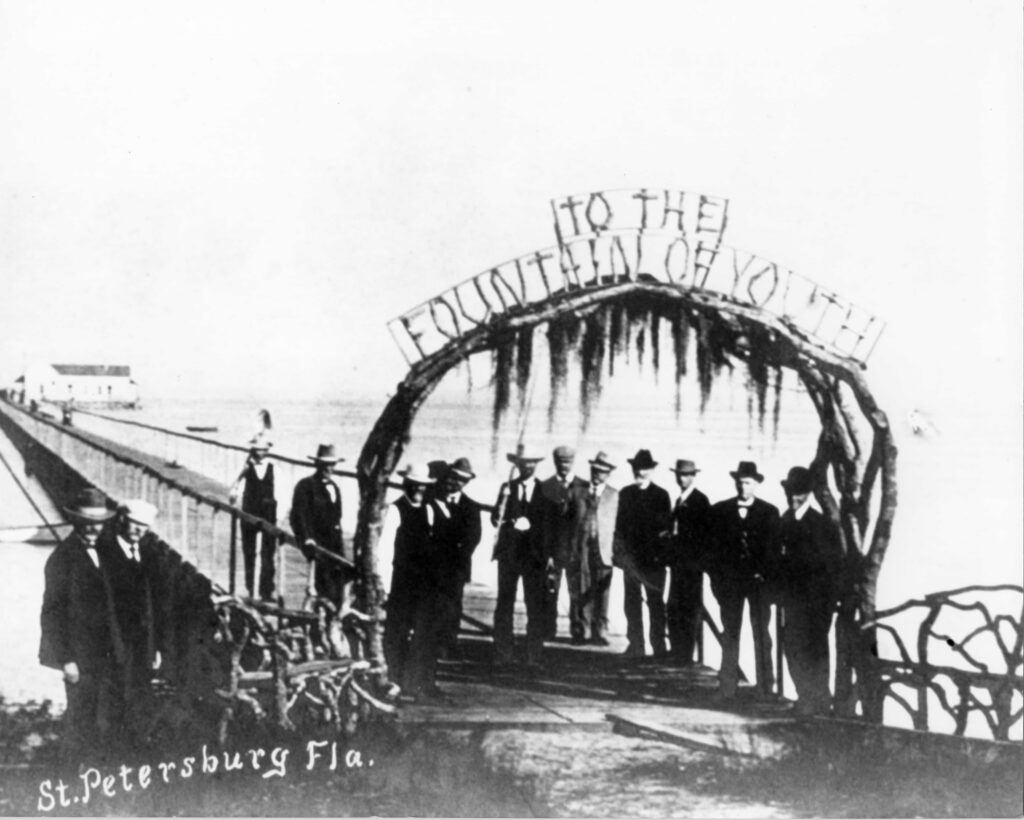
Built by Edwin H. Tomlinson, this 2,000-foot pier became famous for its artesian well. After purchasing the property in 1908, Dr. Jessie F. Conrad promoted the mineral-rich, lithium-containing water as the Fountain of Youth, drawing visitors from near and far. The pier was demolished in 1927, but the Fountain of Youth remains a local landmark today at 4th Ave and 1st St SE.
1906
The Electric Pier
In the years before World War I, the Electric Pier became a major tourist attraction and a symbol of the new St. Petersburg. Known for its hundreds of electric lights and streetcar lines, the Electric Pier extended 3,000 feet into Tampa Bay. Publisher Frank Davis, who also owned the St. Petersburg Electric Light & Power Company and the St. Petersburg & Gulf Electric Railway, developed this pier, which became a major tourist attraction. It was demolished in 1914.
1913
The Municipal Recreation Pier
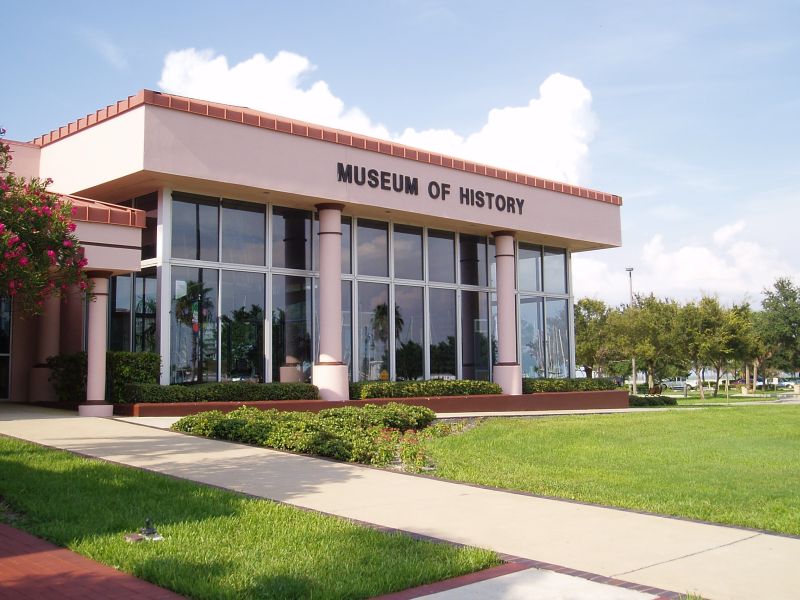
Opened in 1913, the Municipal Recreation Pier was St. Petersburg’s first automobile-friendly pier. On January 1, 1914, Tony Jannus flew the first flight of the world‘s first airline from the Central Yacht Basin by the pier across the Bay to Tampa. Additional attractions included “the Spa” indoor pool, an aquarium (which later became the museum of history), and a dance hall and banquet facility. Following hurricane damage in 1921, it was replaced by the Million Dollar Pier in 1926.
1926
The Million Dollar Pier
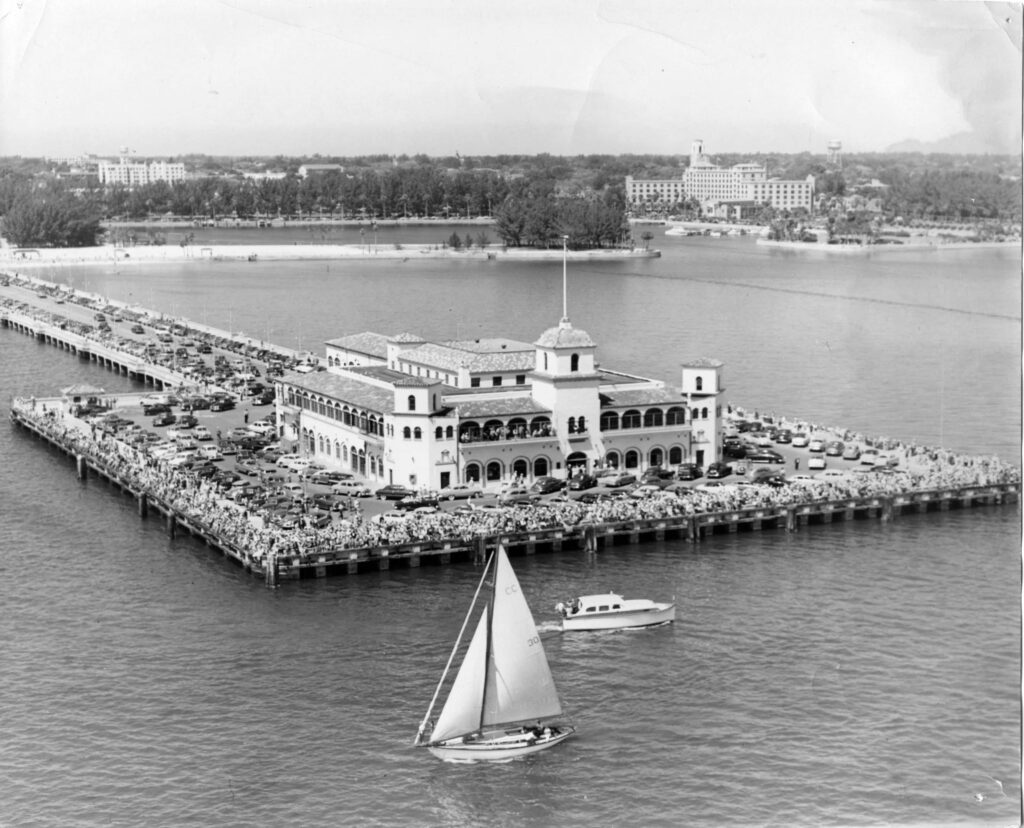
Opened in 1926, the Million Dollar Pier (and its casino) quickly became one of St. Petersburg’s premier gathering places. In addition to Spa Beach and a solarium, it accommodated a two-lane roadway, streetcar line, observation deck, bait houses, and even a radio station. Designed in the Mediterranean Revival style popular during the city’s boom years, the pier blended Spanish, Italian, and Moorish elements. The Million Dollar Pier was demolished in 1967 due to deterioration.
1973
The Inverted Pyramid Pier
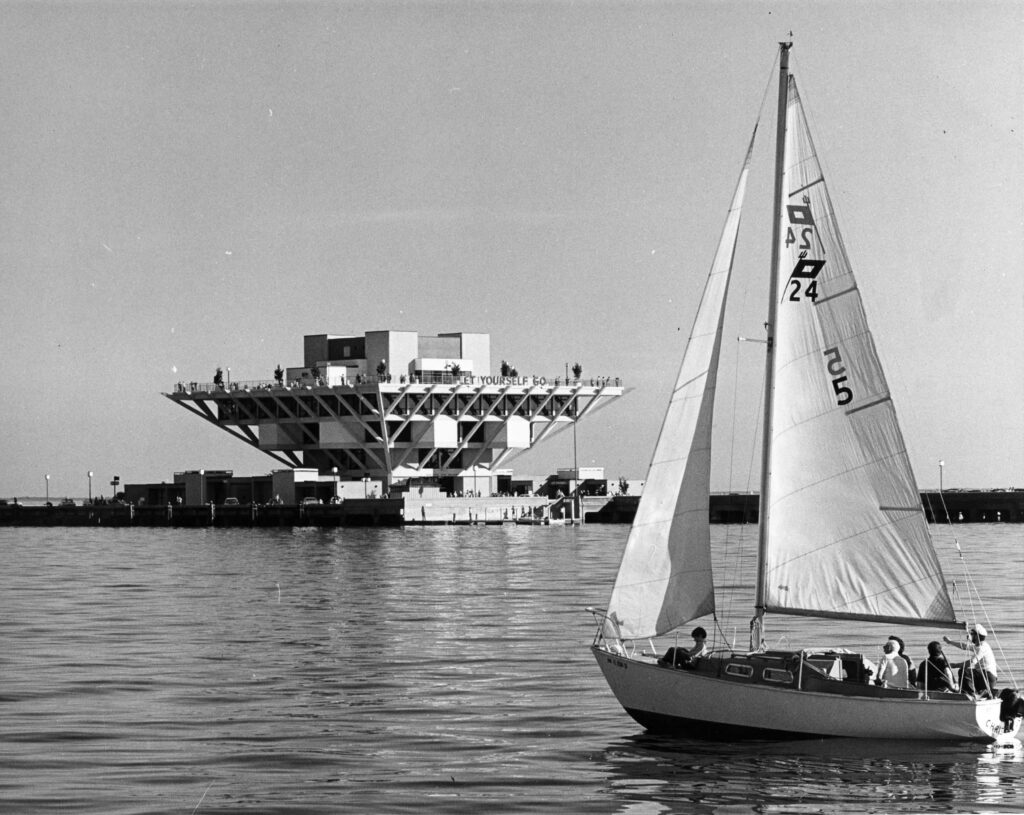
Designed by noted architect William Harvard, Sr., the Inverted Pyramid, with its unconventional, forward-thinking structure, was built atop the 1926 Pier head. It opened in 1973 and became a symbol of St. Petersburg’s waterfront for four decades. Over the years, it housed three restaurants, snack bars, miniature golf, shops, and an aquarium, all set against breathtaking views of Tampa Bay. The structure closed in 2013 to make way for a new St. Petersburg Pier.
2020
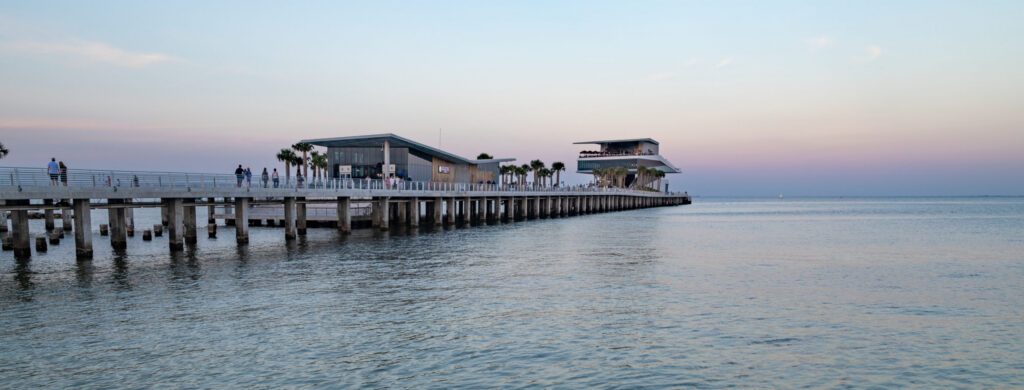
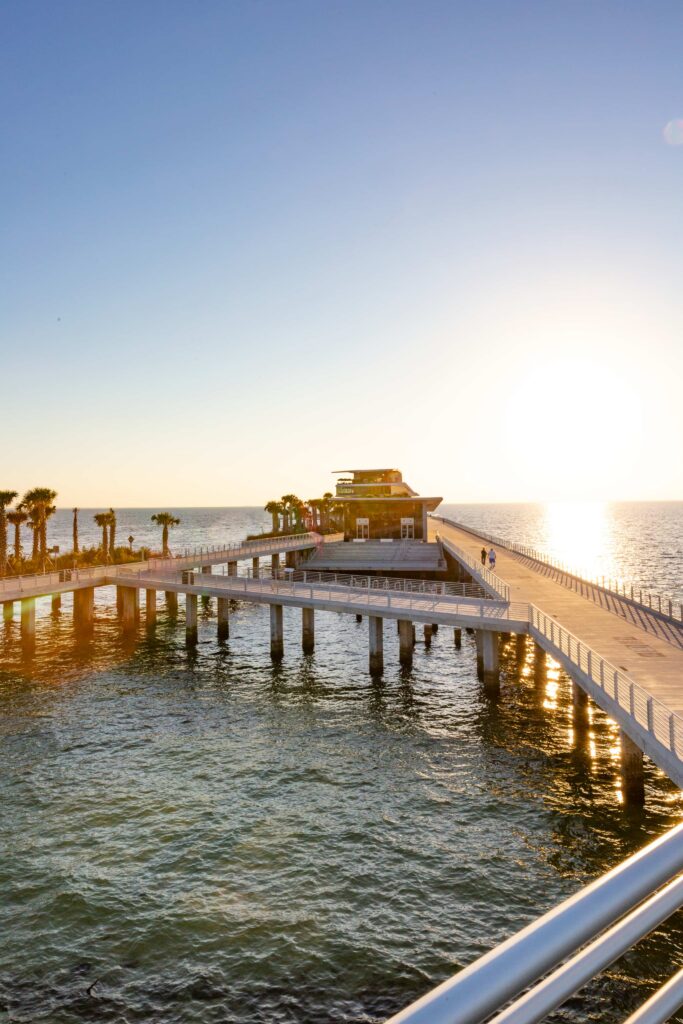
The St. Pete Pier
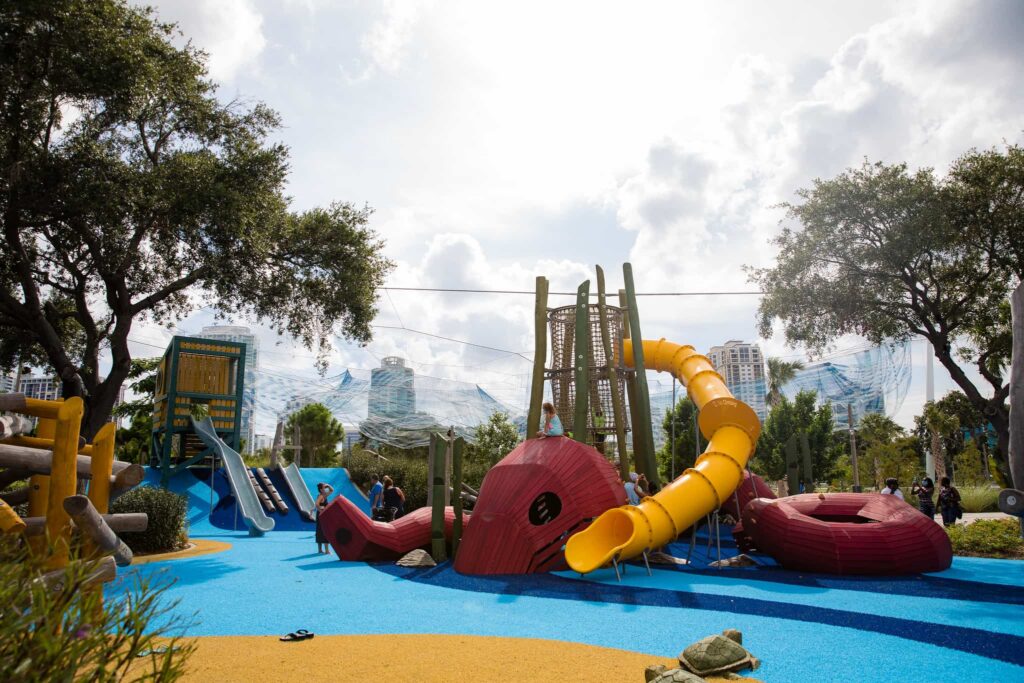
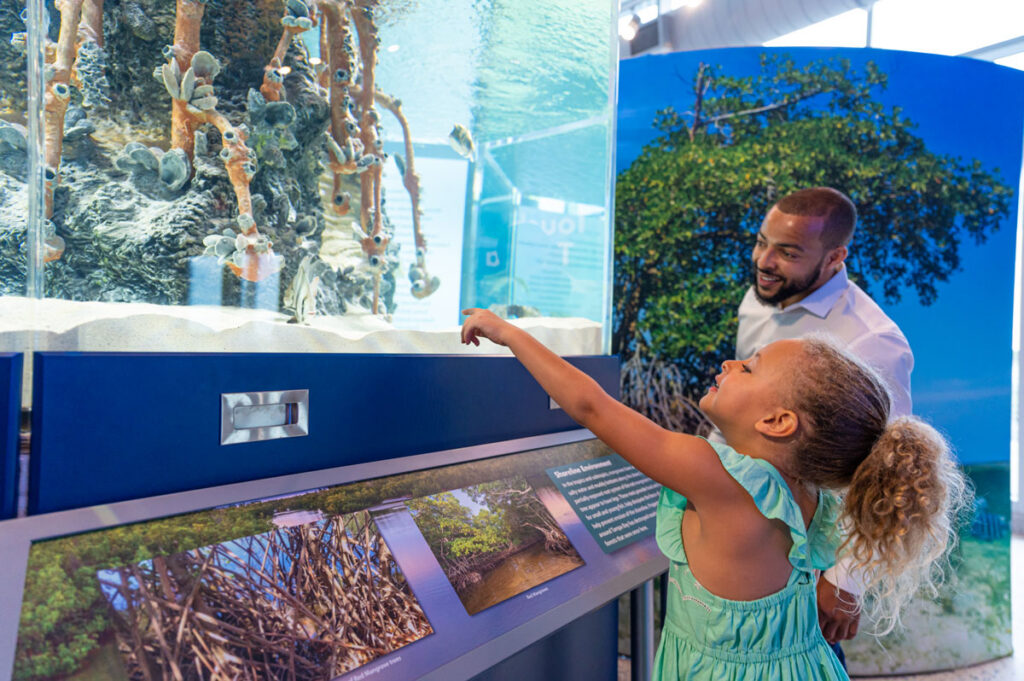
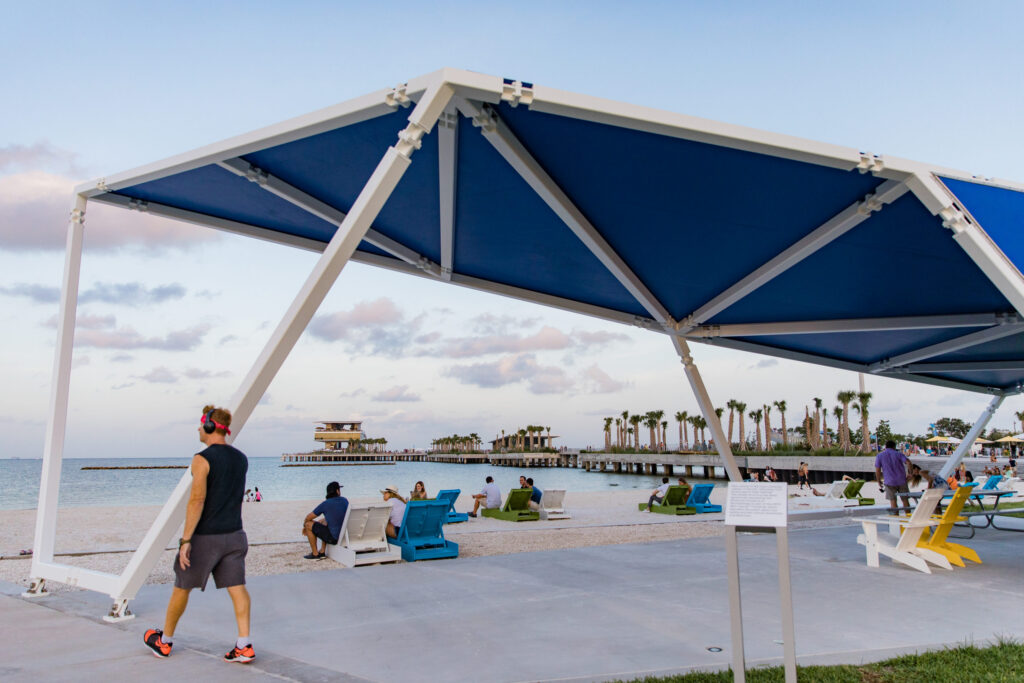
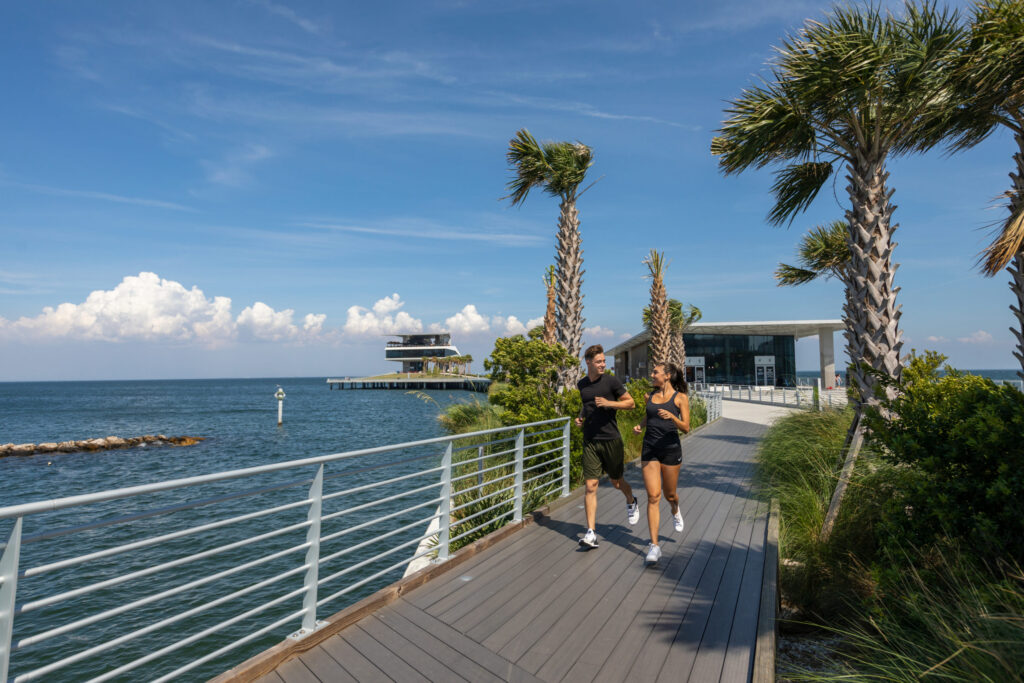
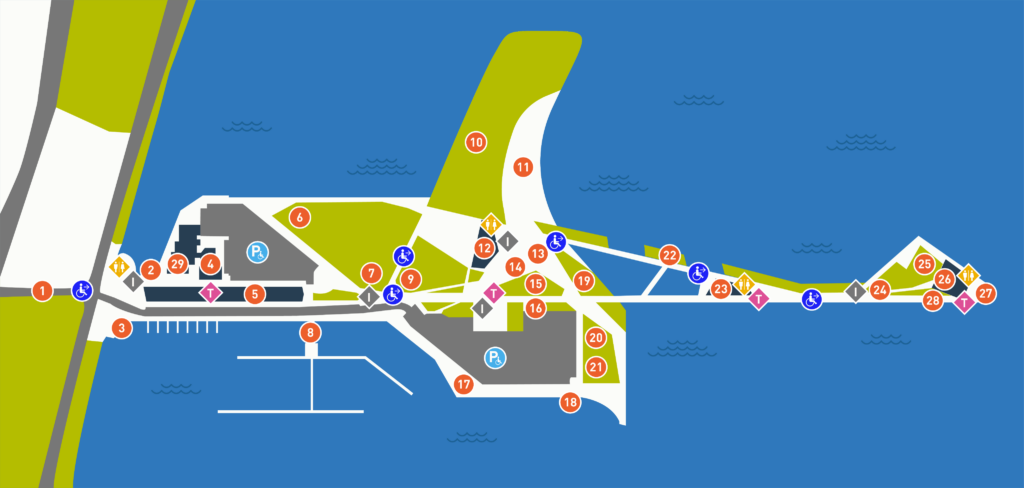
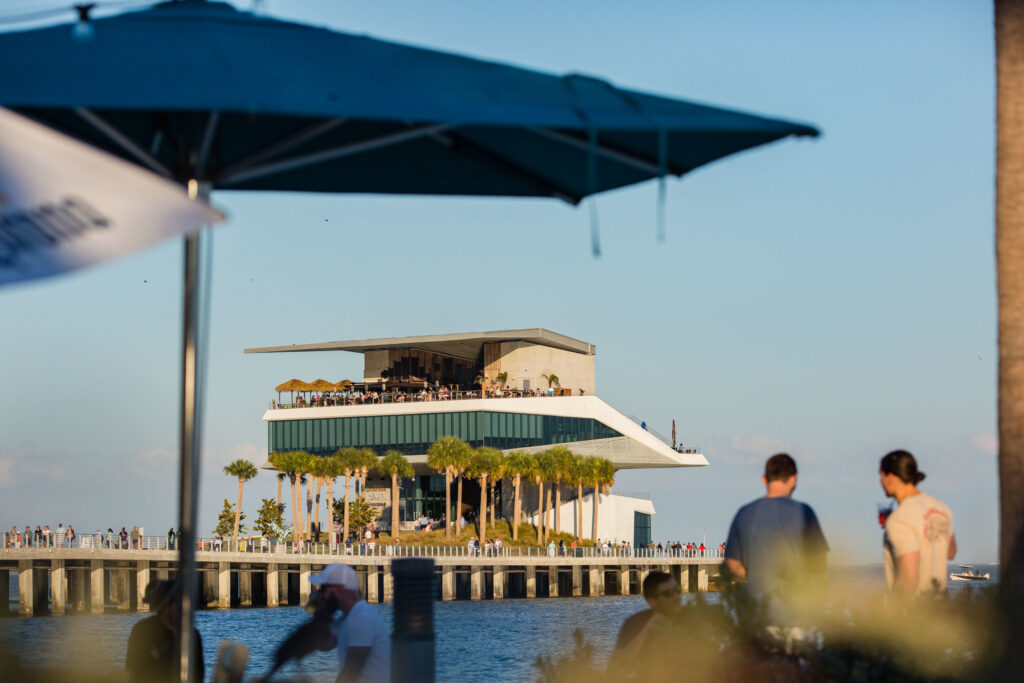
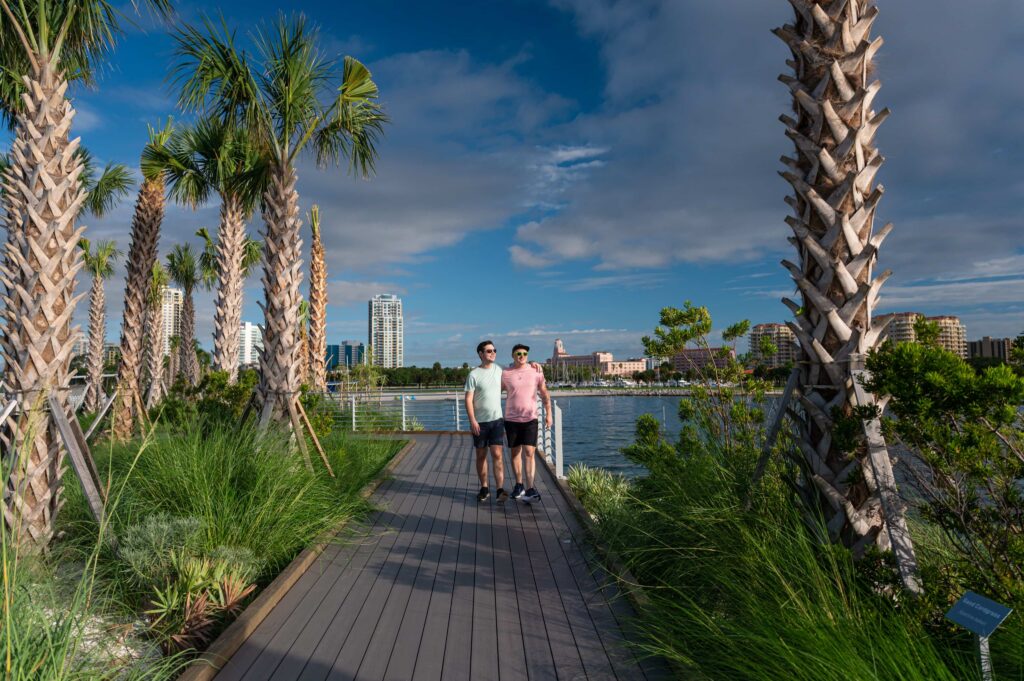
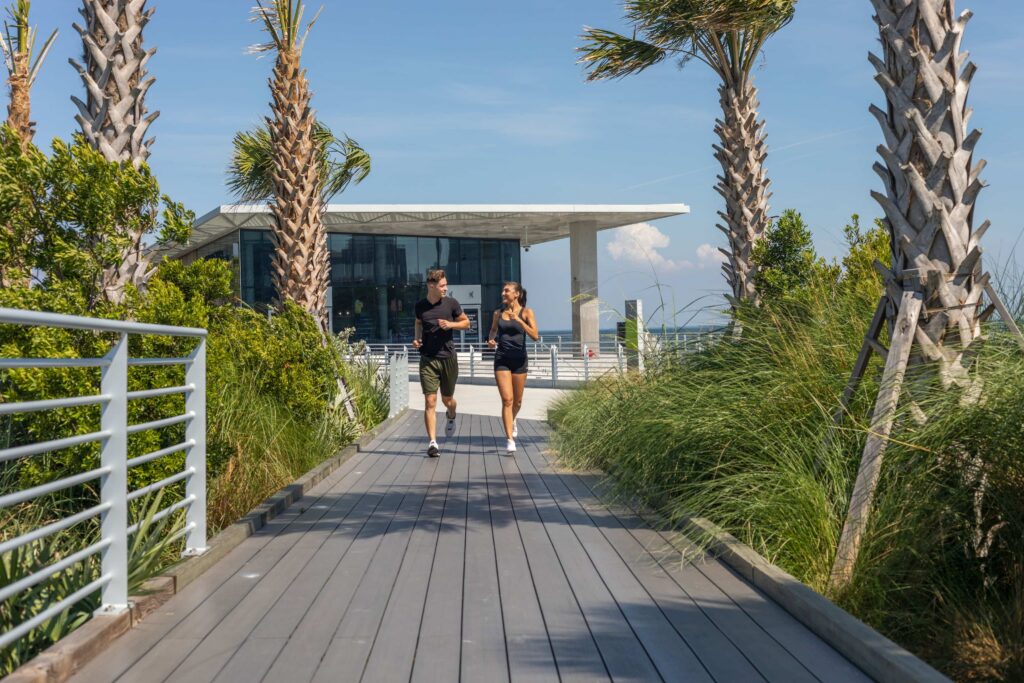
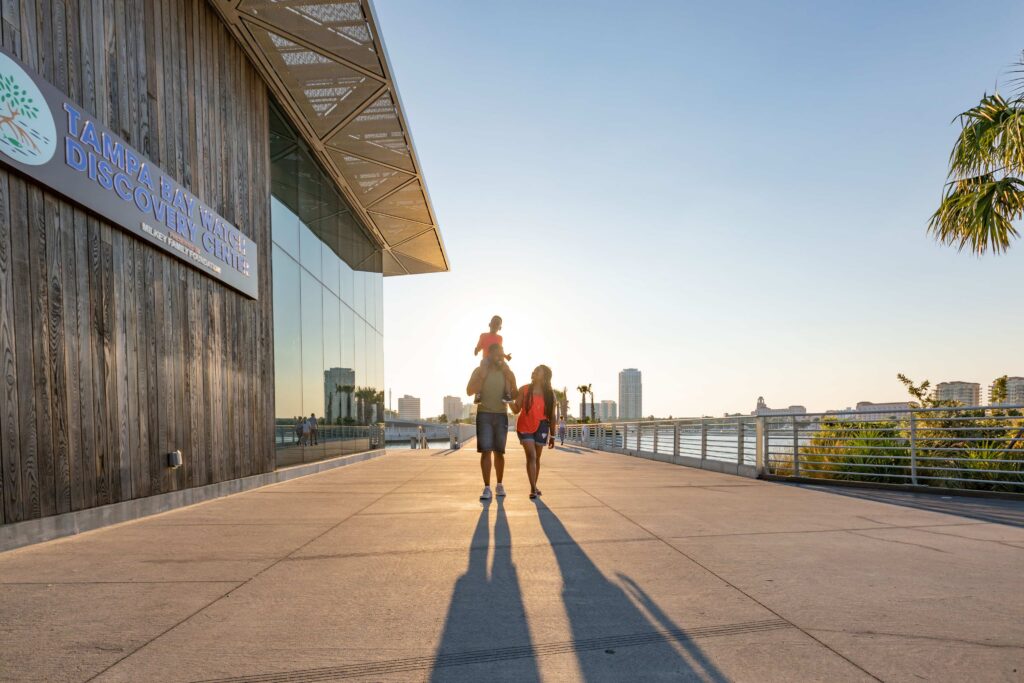
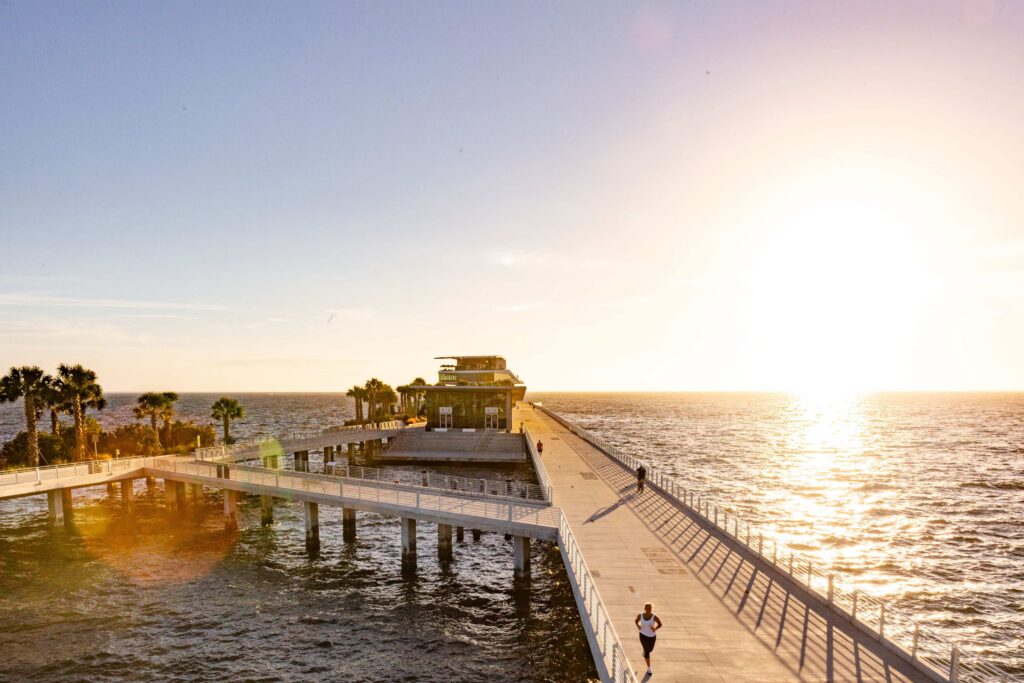
The new 26-acre Pier District opened on July 6, 2020. Today, it is home to seven restaurants, public art installations, family-friendly attractions, waterfront recreation, green spaces, shopping, educational experiences, and gathering places that stretch across the 1,380-foot pier. Use the map and legend above to locate attractions and plan your visit.